We're working to halve our food waste by 2030 across our stores and redistribute more food to communities that need it, which given the cost of living crisis is more important than ever.
Reducing Food Waste
One of our Sustain Chapter 2 targets is a 50% reduction in food waste in stores by 2030 from a 2016 baseline, and a significant reduction in the cost of food waste. Our target is in line with WRAP’s Courtauld 2030 initiative, meaning we report our food waste reduction as a percentage of our total sales.
In Our Stores
Approximately one third of food produced in the world is either lost or wasted.
We take all available steps to minimise food waste in our stores. Technology makes our forecasts more accurate, and we only order what we think we can sell. And when products are close to their “use by” or “best before” dates, we offer them at reduced prices.
When we're left with surplus food in stores or at our manufacturing sites, we work with partners and local causes to redistribute as much of it as possible. During 2024-2025, we donated almost 800 tonnes of food from our supermarket stores to charity.
We also work with registered B-Corp Too Good to Go to enable customers to buy high-quality products that are past their best before date at a fraction of their original price. So far we’ve sold over 3 million ‘Suprise Bags’ bags through the Too Good to Go app.
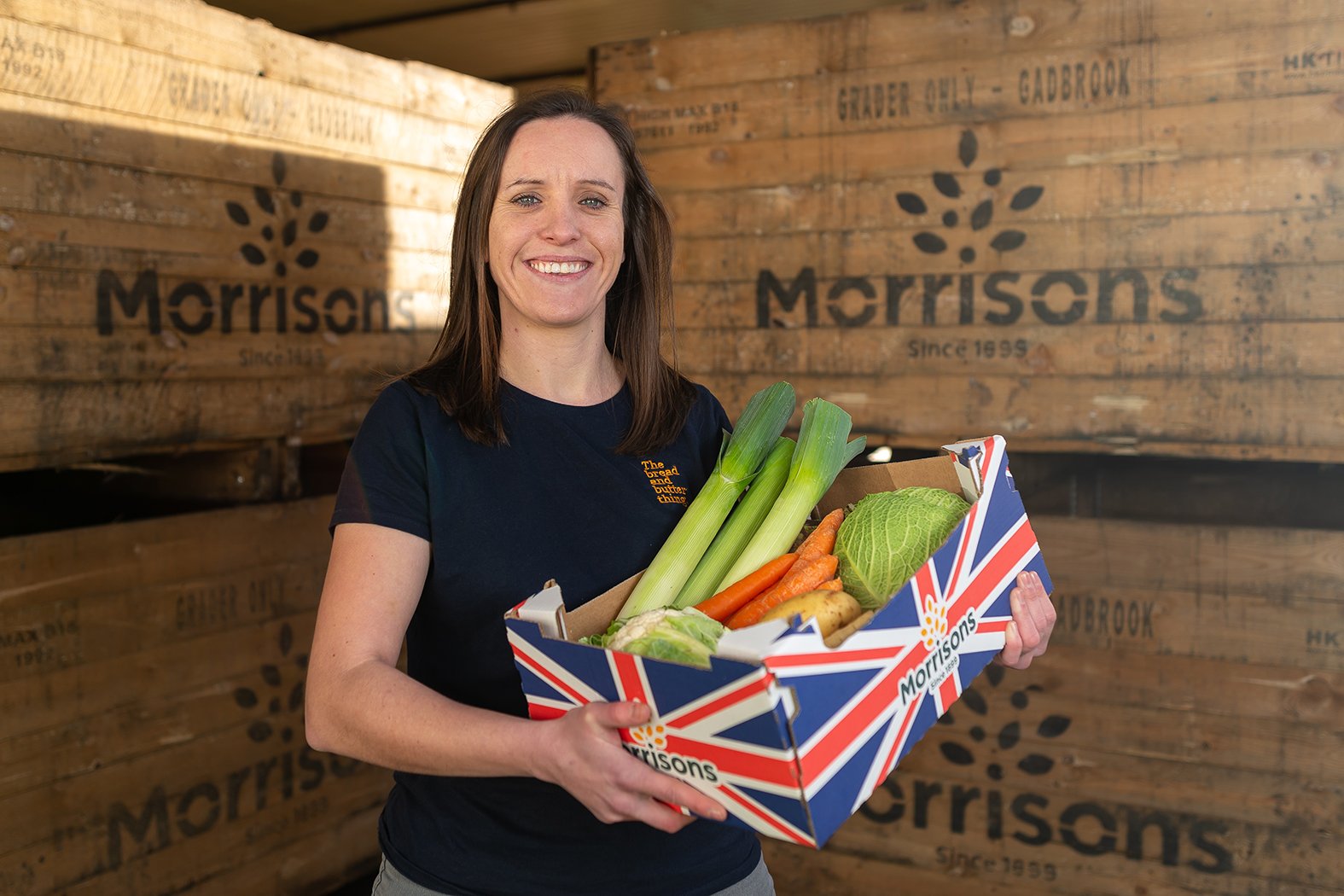
Morrisons manufacturing sites and distribution centres work with The Bread and Butter Thing (TBBT) to redistribute surplus food to where it’s needed most in communities, reaching over 30,000 families in 100 locations. During FY24/25 we donated food to TBBT that weighed in excess of 4,700 tonnes, which is equivalent to a record-breaking 11 million meals.
In our stores we provide free fruit for kids and have set up water refill stations in over 400 of our stores.
In cases where food cannot be redistributed, we follow the Hierarchy of waste and send it to anaerobic digestion to generate renewable energy.
In The Field
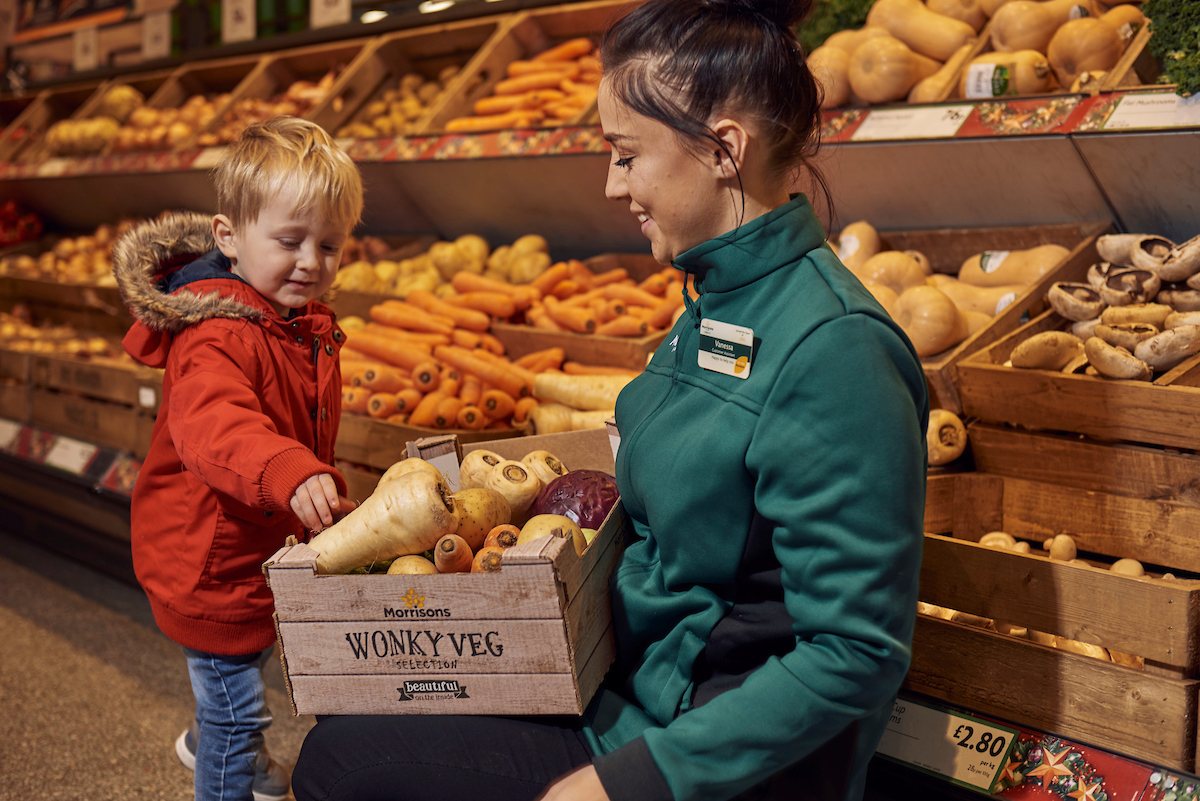
Our Naturally Wonky range sells fruit and vegetables that may be misshapen, have skin blemishes or growth cracks, or be much smaller or larger than average.
Launched in 2015, it helps to minimise food waste in the field and offers affordable produce to customers. It also gives farmers an alternative route to market. We offer 24 wonky varieties, selling 16,500 tonnes of wonky vegetables alone this way in 2024/2025.
Helping Our Customers At Home
According to the Waste Resources Action Group (WRAP), 70% of food waste happens in households. We’re continually evaluating our labelling and storage instructions to give customers the right information to make the most of the food they buy. Check out the ways we are improving our packaging to extend the freshness of our products.
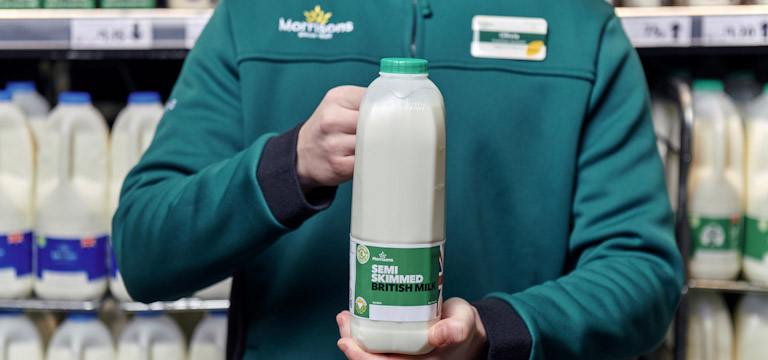
Around 490 million pints of milk are wasted every year. After potatoes and bread, it’s the third most wasted food and drink product in the UK. That’s why in we scrapped “use by” dates on our own-brand milk and the majority of yogurts, changing our labelling to “best before”. As a marker of quality, not food safety, it’s designed to encourage customers to decide for themselves whether their dairy is still good to eat and drink.
We are working on improving our storage advice, extending our fridge and freezer logos to a wider range of products. This helps our customers store food safely and keeps it fresher for longer, reducing the amount of perfectly good food that goes to waste.
Our Contribution